




Do Hurricane-Resistant Windows Need Protection on Every Opening?
If you are buying hurricane-resistant windows, the question is not just whether the new glass can handle flying debris. It is whether the rest of your home’s openings have suitable protection, too. A protected living room window does not do much for an ordinary sliding glass door around the corner. Hurricanes are not known for respecting the renovation budget.
Properly approved and installed impact windows generally do not need additional shutters to satisfy their intended impact-protection function. But those windows do not protect the other openings in your home. Those need their own evaluation.
That does not mean every homeowner must replace every window and door with impact products. Approved shutters or panels can be part of the solution. What matters is matching protection to each opening, meeting the requirements that apply to your property and understanding what remains vulnerable.
What hurricane-resistant windows actually protect
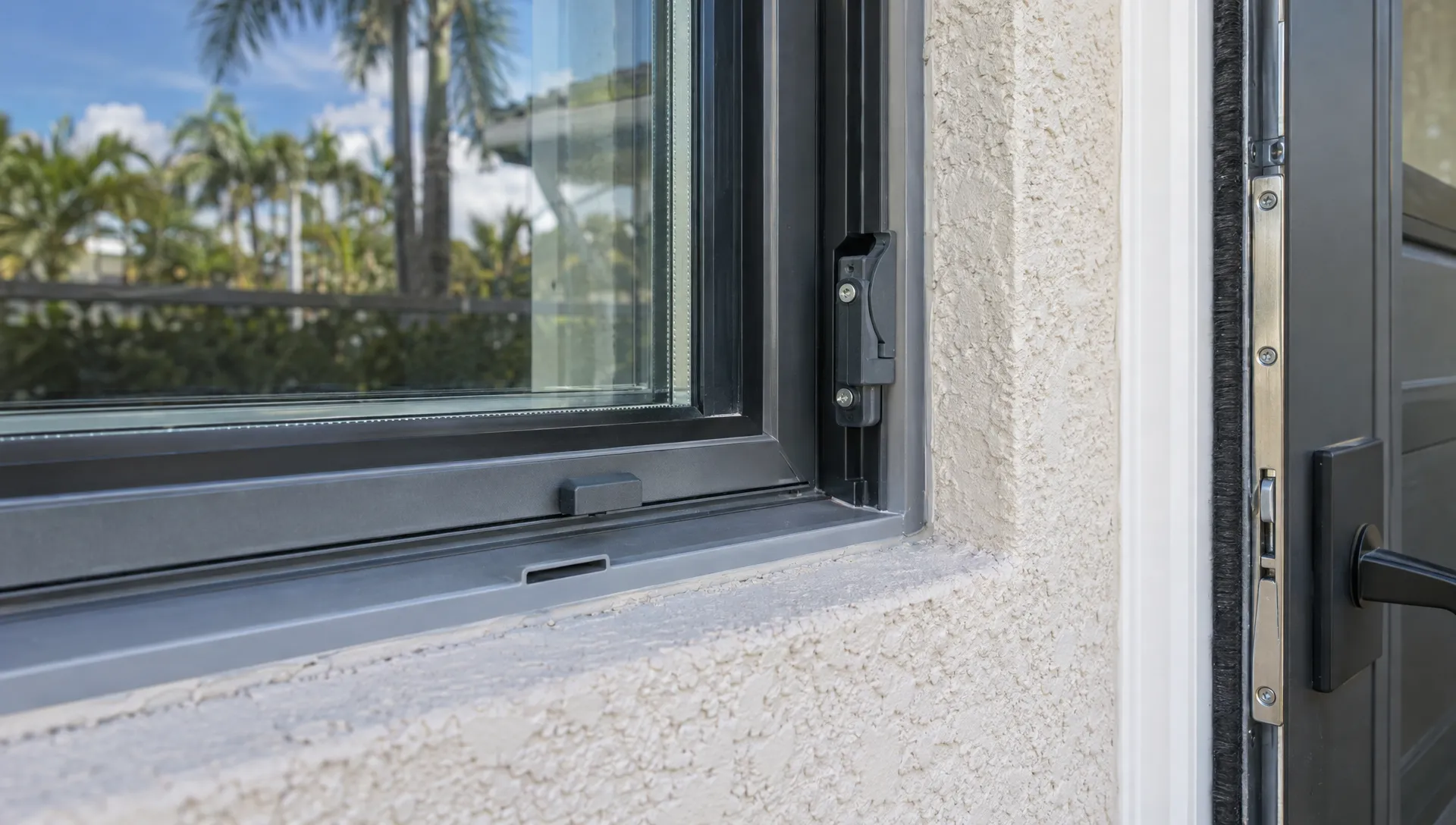
An impact-rated window is a complete assembly: laminated glass, sash, frame, hardware and attachment to the building. The glass usually contains an interlayer designed to help hold broken glass together after an impact.
The key word is assembly. Installing laminated glass in an ordinary frame does not automatically create an approved impact window. Neither does applying aftermarket film to existing glass.
A correctly selected impact window typically provides its own debris protection without a separate shutter. However, its approval must cover the actual product configuration, dimensions, required pressures and installation conditions.
Impact resistance also does not mean the glass cannot crack or that water can never enter. The goal is to resist specified impacts and pressure cycling under defined test conditions, not to make the house indestructible.
Products marketed as “storm windows” deserve a closer look. That term may describe supplemental windows intended for insulation or weather protection, not hurricane-impact performance. Ask for the approval documentation, not just the adjective.
Why the remaining openings still matter
When discussing hurricane-resistant windows, “whole-home protection” should mean more than replacing the most visible windows on the front elevation.
Wind and debris can affect multiple sides of a building as a storm moves through. If an opening fails, wind entering the house can increase internal pressure and add to loads already acting on the structure. That does not guarantee a roof failure, but it is a serious reason to evaluate the complete building envelope.
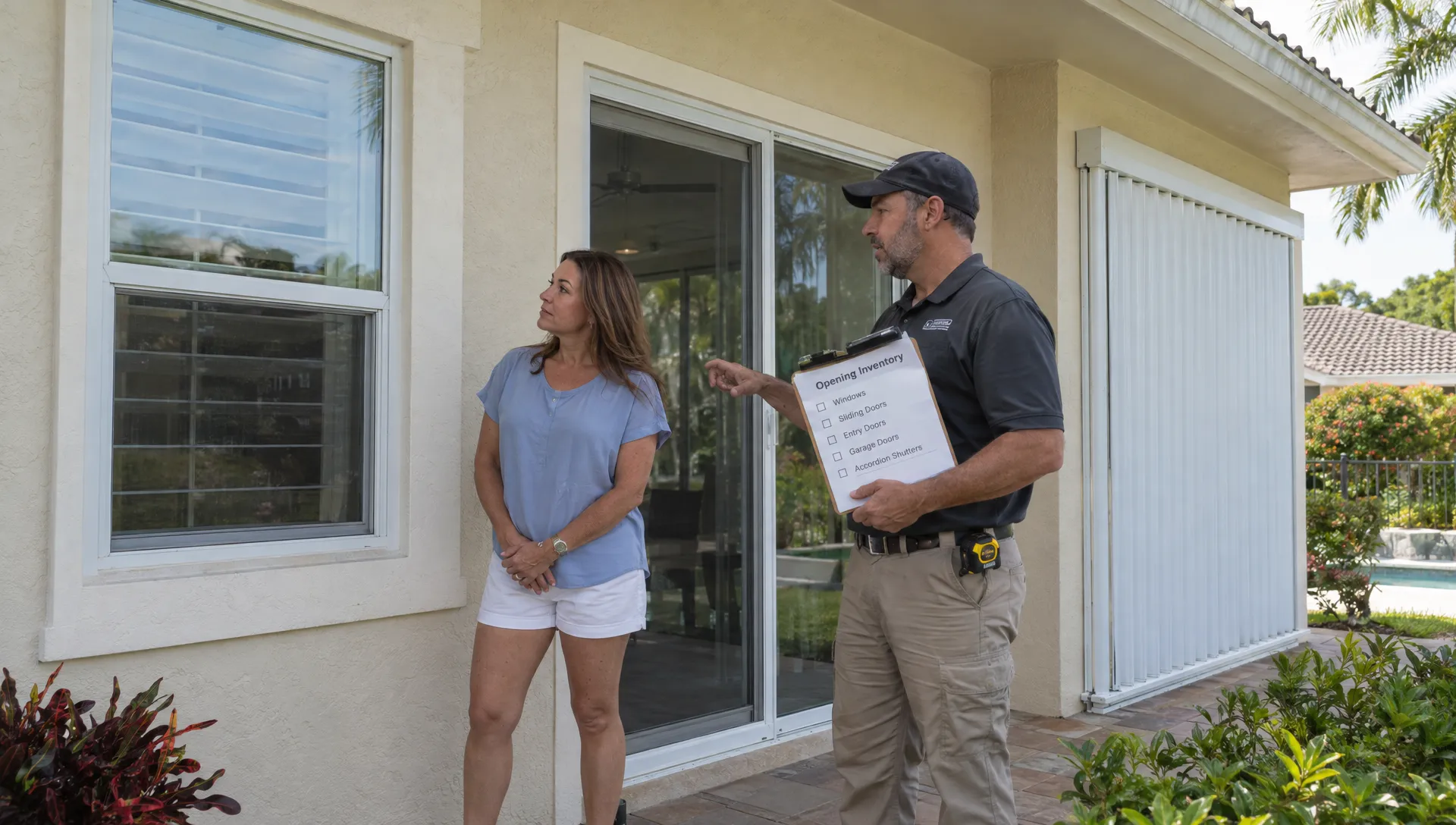
Start with an opening-by-opening inventory:
| Opening | What to verify |
|---|---|
| Standard windows | Impact approval or a suitable approved protective system, plus adequate wind-pressure capacity |
| Sliding glass and French doors | Approval for the complete door assembly, including glass, frame, hardware and anchorage |
| Front and side entry doors | Appropriate wind rating, secure attachment and any required debris protection |
| Garage doors | Wind-load rating, attachment and applicable impact or glazing-protection requirements |
| Skylights and other roof glazing | Applicable product approval, installation details and required impact protection |
A solid door is not automatically hurricane-ready, and a garage door should not be ignored because it has no glass. Requirements differ by opening type and location.
Our explanation of how an aging front door can compromise storm protection covers some of the less obvious warning signs.
Every opening does not need the same protection
A home can combine hurricane-resistant windows with approved shutters over other suitable windows or doors. The combination must comply with applicable requirements, and the underlying openings still need adequate structural capacity.
For example, replacing a difficult-to-reach upstairs window with an impact unit may make more practical sense than storing a panel that someone must install from a ladder before every storm.
A ground-level window might work well with an approved shutter system instead. That is a planning decision, not a contest over which product has the better brochure.
| Protection option | Practical advantage | Responsibility that remains |
|---|---|---|
| Impact-rated windows and doors | No separate shutter deployment for their approved impact protection | Maintain seals, hardware, drainage paths and the surrounding opening |
| Accordion or roll-down shutters | Protection remains attached to the building | Operate, inspect and maintain the system as directed |
| Removable approved panels | Can protect suitable existing openings without full window replacement | Store, identify and install panels with the correct hardware before conditions deteriorate |
An approved panel system is not the same as a stack of miscellaneous boards in the garage. Its panel material, spans, anchors and attachment surfaces must match the approved design.
For retirees, snowbirds and anyone who may be away during hurricane season, deployment deserves as much attention as purchase price. Protection that cannot be installed in time leaves the opening unprotected.
Ratings matter more than hurricane categories
Hurricane-resistant windows are not selected by matching a sales label to “Category 4” or “Category 5.” Hurricane categories describe storm wind speeds. They do not capture every load a particular opening will experience.
Required performance depends on the property’s location, building height, exposure, opening dimensions and position on the building. Positive and negative design pressures matter. So does the structure receiving the fasteners.
Impact testing and wind-pressure performance are related but separate requirements. Depending on the product and jurisdiction, documentation may reference ASTM E1886 and ASTM E1996 or applicable TAS protocols. A recognized test standard alone does not establish that every size and installation configuration is suitable for your house.
Frame material is not a shortcut, either. Aluminum and vinyl products can have very different approved limits depending on their construction.
The useful question is: Does this exact assembly meet the requirements for this exact opening? “It is our strongest window” is not the same answer.
Verify the approval before signing
Before ordering hurricane-resistant windows, ask the contractor to identify the product approval and explain how it applies to your project.
The Florida Product Approval search provides a way to look up approvals and supporting documents. Where applicable, a Miami-Dade Notice of Acceptance may also form part of the documentation. Approval numbers are a starting point, not permission to ignore the limitations attached to them.
Ask for these details in writing:
- The manufacturer, series and exact configuration being supplied
- The approval number and applicable approval documents
- Approved dimensions and positive and negative pressure limits
- Impact classification and any location-specific limitations
- Installation requirements for your wall construction and attachment conditions
Then confirm the permit and protection requirements with your local building department. Florida’s wind-borne debris requirements do not apply identically to every address, and replacement work can involve rules that differ from those for new construction.
Installation is part of performance, not a finishing detail. Our guide to window installation in block versus wood-frame homes explains why the same window may require different attachment and water-management details.
Can you replace windows in phases?
Sometimes, yes. But permission to complete a partial replacement is not the same as having complete storm protection.
Installing hurricane-resistant windows in three bedrooms does not upgrade the original patio door or kitchen window. Those remaining openings need their own plan, whether that means approved shutters, later replacement or another compliant solution.
Before splitting a project into phases, have the contractor and building department clarify what the proposed scope triggers under the applicable code. Do not rely on a blanket claim that replacing one window always requires replacing everything. Do not accept the opposite promise without verification, either.
A useful phased proposal identifies the openings being replaced now, the existing protection that can remain and the openings that still need attention. It should also explain whether the interim arrangement meets your insurance or grant objectives.
Keep required emergency escape and rescue openings in mind when planning shutters or panels. Protection should follow its approved installation instructions without creating an overlooked escape problem.
The goal is a workable sequence, not a collection of upgrades with no explanation of what happens between them.
Compare complete project costs, not just window prices
A per-window price can be useful for rough planning, but it does not tell you what protecting the house will cost.
When comparing hurricane-resistant windows with shutters or a mixed approach, include installation, permits, opening repairs, finish work and any required engineering or supporting documentation. For shutters, consider storage, deployment and maintenance as well as the initial purchase.
Large sliders, unusual shapes and damaged attachment areas can change the scope considerably. A low quote that excludes those details may become less impressive once the wall is open.
Ask each bidder to price the same opening schedule and identify exclusions. Otherwise, one proposal may include patio doors and permit work while another quietly leaves both out. Those are different projects wearing similar price tags.
Existing windows also deserve an honest assessment. If their frames are deteriorated, leak badly or cannot meet the required loads, adding shutters does not repair those problems. Conversely, replacing a serviceable window may not be the only reasonable way to provide debris protection.
A helpful contractor should explain both possibilities without treating every opening as an automatic sale.
Insurance credits require more than a receipt
Installing hurricane-resistant windows may help you qualify for wind-mitigation savings, but a discount is not automatic. The insurer needs evidence of the protection installed and how it fits the applicable inspection classifications.
Opening-protection classifications can distinguish between glazed and non-glazed openings. An unprotected glazed door or skylight may affect the classification you expected, even if the rest of the windows have been replaced.
Before committing to a project mainly for insurance savings, ask your insurer or agent what documentation is required and how the proposed combination of products would be evaluated. The Florida Office of Insurance Regulation provides consumer information on insurance and wind mitigation.
Keep product approvals, permits, inspection records and installation paperwork together. A receipt showing “new windows” does not establish the performance of every opening.
Where My Safe Florida Home fits
If you are considering the My Safe Florida Home program, check its current requirements before scheduling work you hope to fund. Eligibility, application periods, funding availability and eligible improvements can change.
Use the official My Safe Florida Home website to confirm the current inspection, application and approval sequence. Do not assume work completed before the required approvals will be reimbursed.
Also confirm whether your proposed scope satisfies the program’s requirements for the improvement you are pursuing. A contractor’s estimate is not a grant approval, and a potential insurance credit is not a guaranteed repayment plan.
The program can be worth investigating. It still needs to be part of the planning conversation before the order is placed, not after the installation crew leaves.
Frequently asked questions
Do hurricane-resistant windows need shutters over them? Generally, a properly approved and installed impact-rated assembly does not need separate shutters for its intended debris protection. Verify the exact product approval and local requirements. An ordinary window described only as “storm-resistant” may not provide the same protection.
Must every opening have impact glass? No. Depending on the applicable requirements, approved shutters or panels can protect suitable non-impact glazing. Solid doors and garage doors need their own assessment. Whole-home protection does not require one identical product everywhere.
Can impact windows withstand a Category 5 hurricane? A category label cannot guarantee performance. The relevant factors include approved impact testing, pressure ratings, opening size, site conditions and installation. No window makes a house hurricane-proof.
Does a covered porch protect the windows behind it? A porch is not automatically an approved substitute for required opening protection. Have the actual configuration evaluated rather than assuming the roof overhead eliminates wind or debris exposure.
Will replacing only some windows lower my insurance premium? Possibly, but do not budget around that assumption. Ask how your insurer will classify the entire opening-protection arrangement and what inspection evidence it requires. Partial upgrades may not earn the credit you are targeting.
Start with an opening-by-opening plan
Before choosing a brand or discussing financing, get a clear inventory of what needs protection and why. The proposal should identify the products, approvals, installation scope and any openings left for a later phase.
Windoor Retro Installations provides free project estimates for Central Florida homeowners. Ask for an assessment of your windows and doors together, including whether replacement, approved shutters or a combination makes sense. The useful answer is the one that fits the house, not just the sales sheet.